Understanding the right high-security lock features for business protection is one of the most important investments a Utah company can make. Whether you operate a retail shop in downtown Salt Lake City, a medical office in Sandy, or a warehouse in West Valley, the locks on your doors are the first line of defense against unauthorized entry, theft, and liability. This guide walks you through six essential features that separate truly secure locks from standard hardware-store options.
- High-security locks go far beyond basic deadbolts — they include drill resistance, pick resistance, and restricted key control.
- ANSI/BHMA Grade 1 certification is the minimum standard any commercial property in Utah should meet.
- Smart access features like audit trails and remote locking are increasingly vital for multi-employee businesses.
- Proper installation is just as important as the lock itself — a poorly installed Grade 1 lock is still vulnerable.
- Eagle Locksmith UT can assess your current security and recommend the right upgrades for your Salt Lake City business.
Why Standard Locks Fall Short for Utah Businesses
Most commercial buildings in Utah are initially fitted with builder-grade or residential-style locks. While these may pass basic code inspections, they offer minimal real-world protection. According to the FBI's Uniform Crime Reporting program, a significant percentage of commercial burglaries involve forced or unlawful entry — meaning the lock was either bypassed, picked, or simply broken. Upgrading to purpose-built commercial hardware directly reduces this risk. A qualified locksmith can evaluate your current setup and identify weak points before a burglar does.
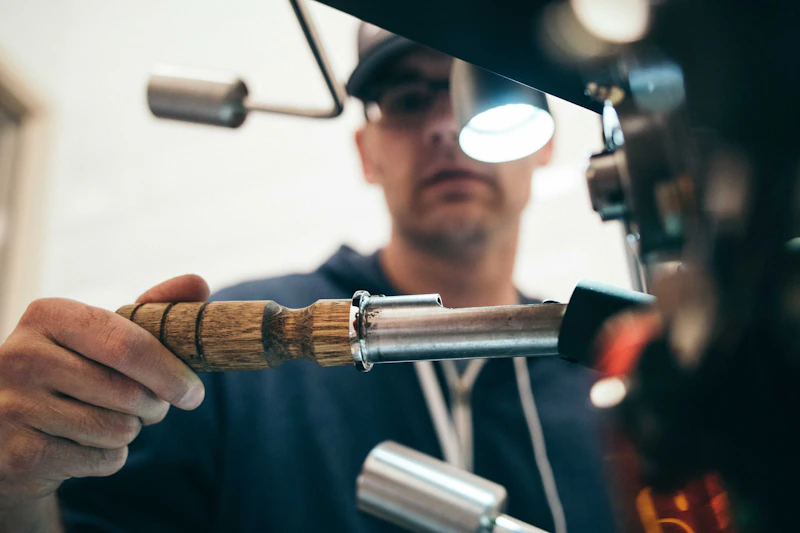
The 6 High-Security Lock Features for Business Owners to Know
Not all locks are created equal. Here are the six features that define a truly high-security commercial lock and why each one matters for Utah businesses.
1. ANSI/BHMA Grade 1 Certification
The American National Standards Institute (ANSI) and the Builders Hardware Manufacturers Association (BHMA) rate commercial locks on a three-tier scale. Grade 1 is the highest and is designed specifically for heavy commercial use. These locks must withstand 250,000 open-and-close cycles and endure significant force tests. If a lock isn't Grade 1 certified, it simply isn't built for a business environment. Always look for this rating before purchasing or approving any lock installation on your premises.
2. Pick and Bump Resistance
Lock picking and bump key attacks are two of the most common non-destructive entry methods used by intruders. High-security locks counter these threats through precision-manufactured internal components with tight tolerances, security pins or sidebars that defeat standard picking tools, and patented keyways that cannot be duplicated without authorization. Brands like Medeco, Mul-T-Lock, and ASSA Abloy are widely recognized for meeting these standards and are available through professional lock installation and repair services.
3. Drill and Brute-Force Resistance
Determined intruders may resort to power tools. High-security locks combat this through hardened steel inserts around the cylinder, anti-drill plates that protect the lock face, and reinforced strike plates with extended screws anchored deep into the door frame. This kind of structural hardening significantly increases the time and noise required to breach a door — both powerful deterrents.
4. Restricted Key Control
One of the most overlooked vulnerabilities in commercial security is key duplication. Standard keys can be copied at any hardware store. Restricted key systems solve this problem through patented key profiles that only authorized locksmiths can duplicate, documented key control logs tracking who has copies, and key registration systems tied to a specific business. When paired with professional key cutting and duplication oversight, restricted key systems give business owners complete visibility into who holds access credentials.
5. Smart Access and Audit Trail Capabilities
Modern commercial security increasingly relies on electronic and smart lock features. These systems offer keypad or card-based entry that eliminates traditional key management headaches, time-based access restrictions (perfect for shift-based businesses in Salt Lake City), real-time alerts when doors are opened, and full audit trails showing entry and exit history. For businesses with multiple employees, contractors, or vendors, this level of control is invaluable and can also support insurance and liability documentation.

6. Reinforced Door Hardware and Frame Integration
A Grade 1 lock installed in a weak door frame is only as secure as that frame. Complete high-security installations include heavy-duty deadbolts with a minimum 1-inch throw, reinforced strike plates secured with 3-inch screws, anti-kick door frames and door armor, and door closers that ensure the door is never inadvertently left unsecured. Security is a system — not just a single component. Every element of the door assembly must be evaluated together.
Choosing the Right High-Security Lock Features for Business Properties in Utah
Selecting the right combination of features depends on your industry, building layout, and number of access points. A retail store on State Street has different needs than a data center in Draper or a law office in the Sugar House neighborhood. The best approach is to work with a certified commercial locksmith who understands local building codes, common regional threat patterns, and the specific lock brands best suited to Utah's climate and door construction styles. Eagle Locksmith UT specializes in exactly this kind of tailored commercial security consultation throughout the Salt Lake Valley.
Need a Locksmith in Salt Lake City?
Eagle Locksmith UT is available 24/7 for emergencies and scheduled services across the Salt Lake Valley.
📞 Call (385) 557-7669Frequently Asked Questions
What makes a lock "high-security" compared to a standard commercial lock?
A high-security lock meets ANSI/BHMA Grade 1 standards and includes additional features such as pick resistance, drill resistance, restricted key control, and reinforced construction. Standard commercial locks may meet basic code requirements but lack the engineering needed to resist determined intrusion attempts. High-security locks are tested to significantly higher performance thresholds and are typically backed by manufacturer warranties against unauthorized duplication.
How do I know if my Salt Lake City business needs a security upgrade?
Signs that an upgrade is warranted include locks older than 10 years, recent staff turnover without rekeying, evidence of tampering, a nearby break-in, or a business expansion that has added new access points. A professional security assessment from a licensed locksmith can quickly identify gaps and prioritize the most cost-effective upgrades for your specific facility.
Are smart locks as secure as traditional high-security locks for businesses?
Smart locks can be extremely secure when they combine electronic access control with a physically hardened lock cylinder. The best commercial smart locks offer both strong mechanical construction and digital features like audit trails and remote management. However, they must be properly installed and regularly updated to address any firmware vulnerabilities. Consult with a commercial locksmith to identify smart lock options that meet Grade 1 physical security standards.
How often should a business rekey or replace its commercial locks?
Industry best practice recommends rekeying after any employee departure that involved key access, after a suspected security incident, and at minimum every two to three years as part of a routine security review. Lock replacement (rather than rekeying) is advisable when hardware shows wear, when upgrading to a higher security grade, or when switching to a restricted key system. Eagle Locksmith UT can advise on the most cost-effective schedule for your business.
What is restricted key control and why does it matter for Utah businesses?
Restricted key control means that keys for your lock system can only be duplicated by an authorized locksmith using documented authorization — not copied at a local hardware store or kiosk. This is critical for businesses in Utah because it eliminates the risk of unauthorized key copies being made by former employees, contractors, or anyone who temporarily had access to a key. It also provides a clear record of how many keys exist and who holds them, which is important for insurance compliance and liability management.